Years of engineering experience
Across the global Shinetech delivery network.
 Qingdao
Custom Software Development
Design, build, and evolve business applications, digital products, integrations, and enterprise systems with engineering shaped around your workflows.
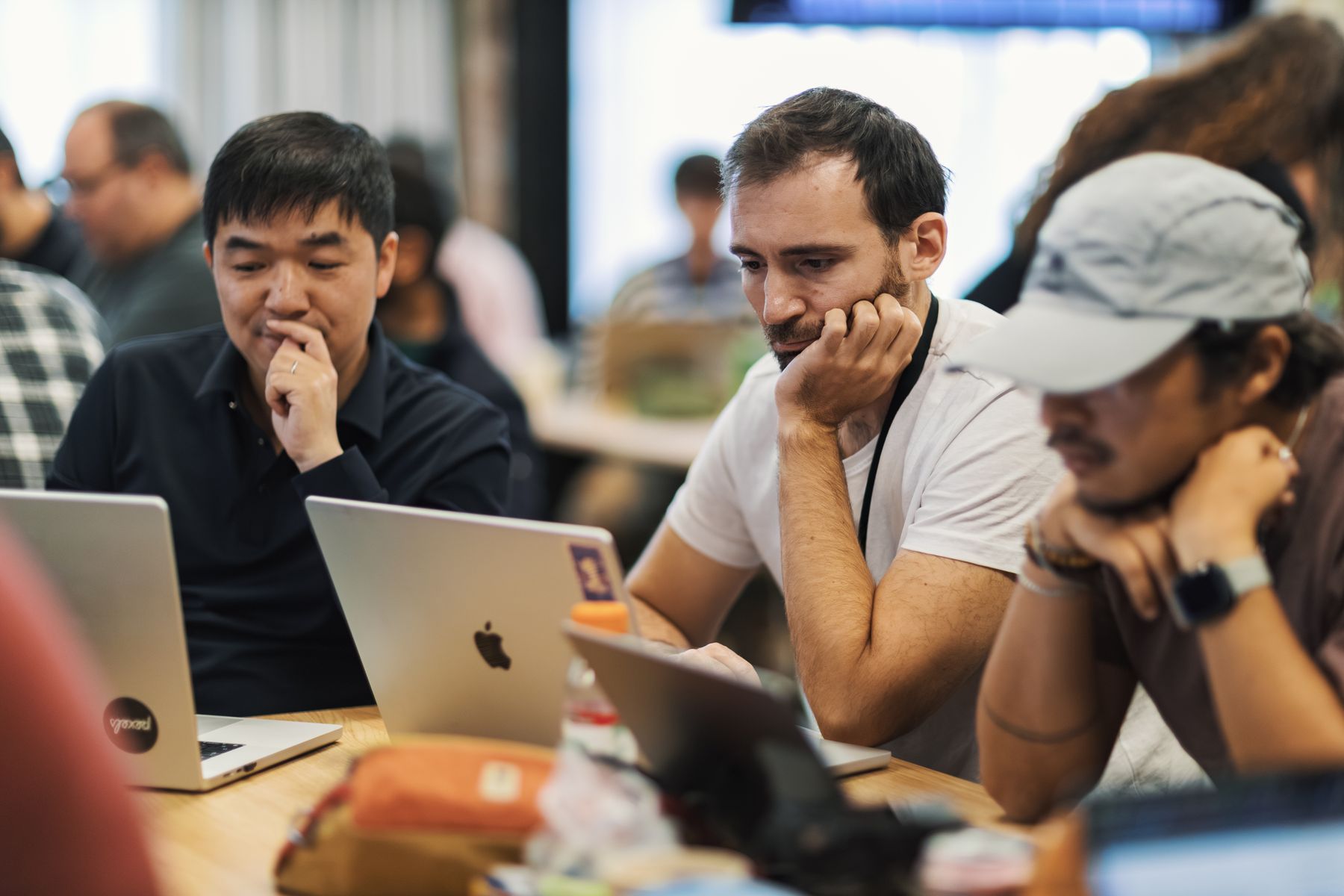
Across the global Shinetech delivery network.
From focused business tools to long-lived platforms.
Relationships that continue beyond the first release.
Why custom software
Custom development is most valuable when existing tools cannot express the workflows, data relationships, integrations, or customer experience that set the business apart.
Off-the-shelf tools often force teams to work around the system instead of supporting the way decisions, approvals, and customer interactions really happen.
Manual handoffs, duplicated data, and fragile integrations create delays that cannot be solved by adding another standalone application.
Useful software needs maintainable architecture, clear ownership, and a path for support, improvement, and changing business needs after launch.
What we build
Start from scratch, extend a critical platform, connect fragmented tools, or modernize the system you already depend on.
AI-enabled systems
Add focused AI capabilities where they reduce repeatable effort, improve access to knowledge, or support better decisions.
Enterprise applications
Build or extend the applications behind customer, finance, service, inventory, reporting, and approval workflows.
Legacy modernization
Improve existing systems in controlled stages while protecting data, integrations, users, and operational continuity.
Digital products and platforms
Move from discovery and first release to a scalable product with visible delivery, reliable integrations, and ongoing support.
Why clients continue
A successful first release matters. So do knowledge retention, security discipline, maintainable decisions, and the ability to keep improving without starting over.
How Shinetech worksBusiness rules, user roles, data flows, and operational constraints shape the solution before technology choices are fixed.
Consistent engineers retain context across discovery, delivery, support, and the next roadmap decision.
Access, confidentiality, source control, and approved AI tool use follow the agreed project boundaries.
Maintenance, monitoring, feature development, and technical improvement can continue after the first release.
AI-enhanced delivery
Approved AI assistance can reduce repeatable effort and help engineers surface context. Architecture, implementation choices, review, and release ownership remain human-led.
Summarize approved requirements, technical discussions, and unfamiliar code to help engineers find relevant context faster.
Assist with bounded implementation drafts, repetitive code, and possible refactoring paths for engineering review.
Suggest edge cases, test structures, release notes, API documentation, and operational runbook updates.
Organize logs, compare patterns, and surface possible causes while engineers reproduce, verify, and resolve the issue.

Flexible delivery planning
Budget, deadline, and requirement certainty each change how the work should be scoped and sequenced. We make those trade-offs visible before delivery expands.
Start with the outcomes and investment boundary, then prioritize the highest-value capabilities into a realistic delivery sequence.
Work backward from the critical date, identify the essential release scope, and establish the team and review rhythm around it.
Turn an existing brief into an implementation plan with the right technical roles, checkpoints, and acceptance criteria.
How we deliver
Each stage produces a visible decision or working outcome, keeping business stakeholders and engineers aligned.
Understand the business problem, users, current systems, constraints, and expected outcomes.
Shape the scope, architecture, delivery plan, risks, and measurable acceptance criteria.
Deliver working increments through a shared backlog, code review, and visible progress.
Test behavior, integrations, security expectations, and real user workflows before release.
Support the system, monitor what matters, and prioritize improvements as the business changes.
 Healthcare Booking PlatformA WeChat booking platform and clinic management website for a medical center, connecting booking, registration, follow-up, records and reminders.Read the case
 Employment Marketplace AppA mobile and web employment platform connecting job seekers and employers through profiles, candidate search, job offers, shifts and timesheets.Read the case
Frequently asked questions
You do not need every technical answer before the first conversation. We help turn business context into an actionable engineering plan.
No. A clear business problem, desired outcome, or rough product idea is enough to begin. Discovery turns that context into a delivery brief and identifies the decisions still required.
Timing depends on scope, integrations, data migration, compliance needs, and how quickly decisions can be validated. We establish a practical release plan after the initial discovery and technical assessment.
The estimate is shaped by the priority outcomes, system complexity, team profile, delivery constraints, and ongoing support needs. We make assumptions and trade-offs visible before implementation expands.
Typical work includes web and mobile applications, SaaS products, customer portals, internal systems, CRM and ERP extensions, integrations, reporting, modernization, and practical AI-enabled features.
Access controls, confidentiality, source ownership, tool use, and project data boundaries are agreed at the start. AI-assisted work follows the same project security and human-review requirements.
Turn users, business rules, integrations, and release goals into a practical custom software plan.